I Paid $2,400 To Fix What A $40 Pouch Could Have Stopped. Here's What I Wish I Knew.
The rodent damage nobody warns you about — and the 2-minute fix that costs less than one tow.
GET 50% OFF TODAY →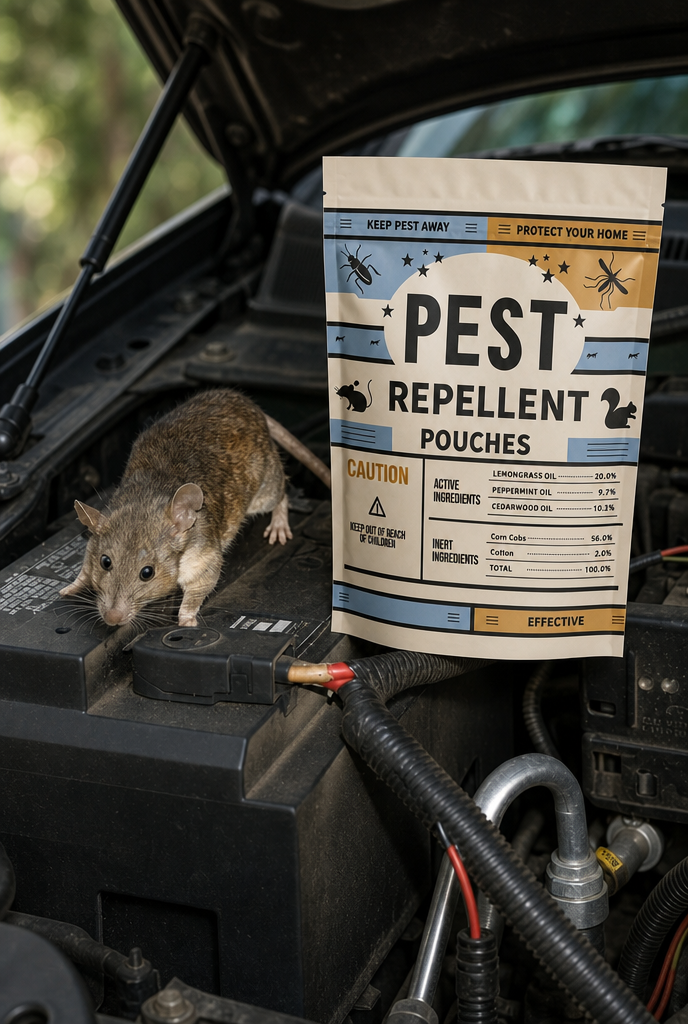
It started with the check-engine light. Then the radio cut out mid-drive. Then, two days later, my truck wouldn't start at all.
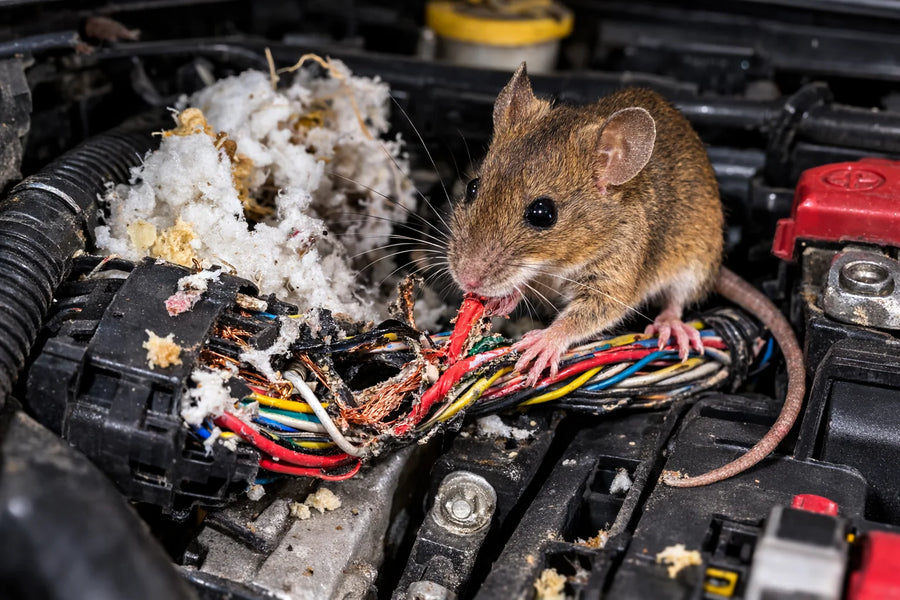
The shop pulled the engine cover and just… stopped talking for a second. "You've got rodents in here," the tech said, holding up a chewed-through wiring harness like it was evidence at a crime scene. Nesting material packed behind the intake. Insulation shredded. A bill that started at $2,400 before he'd even finished the estimate.
I'd never even seen a mouse near my truck. Turns out that's exactly the problem — they don't wait for an invitation, and by the time you notice, the damage is already done.
What actually stopped it from happening again wasn't a $200 ultrasonic gadget or a trip to the dealership for "rodent-proof tape." It was something almost embarrassingly simple, and I'm writing this because three other people in my own driveway-parking neighborhood have now had the exact same $1,000+ repair bill — and none of them knew this existed.
Note: I was skeptical too. A scented pouch stopping an animal that chews through actual metal and plastic? I only tried it because it was cheaper than one more tow. Here's what I found out about why it works — and why traps and plug-in gadgets usually don't.
Your Engine Bay Isn't Being Attacked — It's Being Moved Into
Most people assume rodents go after wiring because they're drawn to something specific in the material. That's not really what's happening.
An engine bay offers three things a rodent is always searching for: shelter from predators, a warm space (especially right after you've driven), and total darkness. Once they're in, they gnaw constantly — not out of hunger, but because a rodent's front teeth never stop growing, and chewing is how they file them down. Your wiring harness just happens to be sitting right there.
That's why sealing your garage or setting a trap in the corner rarely solves it. The car itself is the shelter. If you don't make the engine bay itself unappealing, a new rodent will find the same spot within days of the last one leaving.
I Tried The Ultrasonic Plug-In First. It Needed A Battery It Never Had.
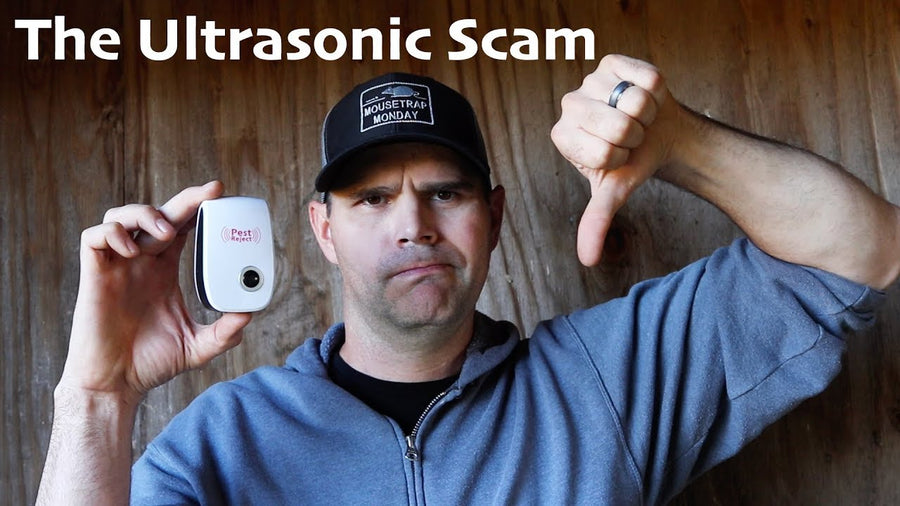
Before the pouches, I did what most people do — bought a battery-powered "ultrasonic rodent repeller" made for engine bays. It has a strobe light and a speaker and looks like it should work.
Problem is, engine bays are loud, vibration-heavy, and the battery has to be checked constantly, because if it dies while the car sits for even a weekend, you've got zero protection and don't know it. Mothballs are the other classic fix — except they're toxic to pets, leave a smell that never fully airs out of the cabin filter, and most shops now advise against putting them anywhere near your engine.
Glue traps and snap traps only catch what's already inside — they do nothing to stop the next one from moving in next week.
28,400+ Engine Bays Protected And Counting
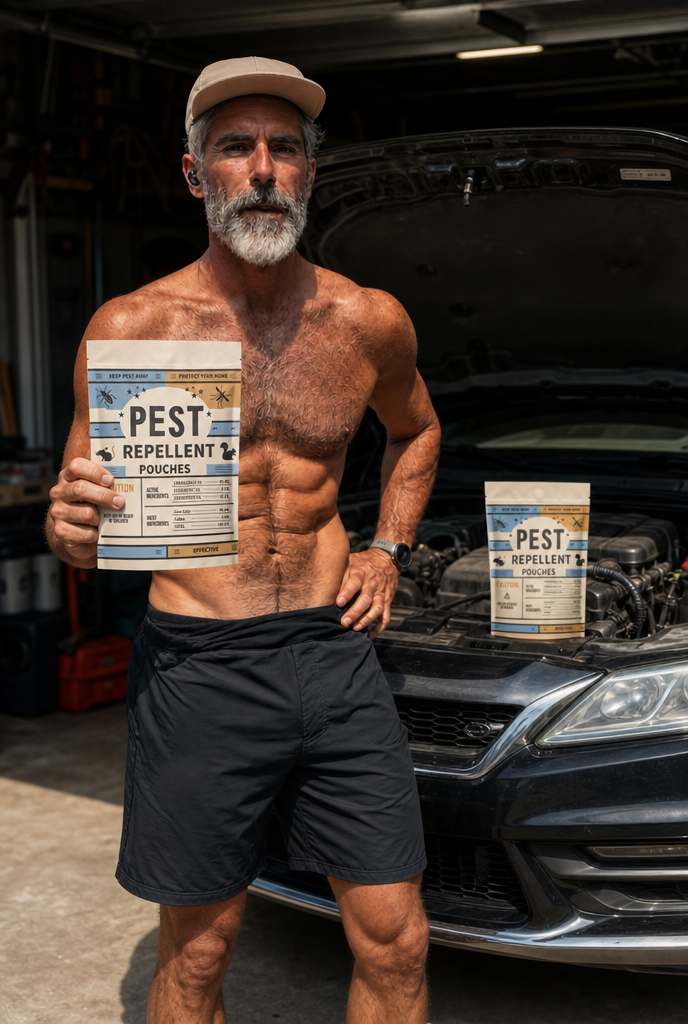
After my own repair bill, I started asking around — and found out I wasn't remotely alone. Rodent damage claims spike every fall as temperatures drop and mice look for warm places to overwinter.
HoodGuard's own data (pulled from customer support tickets and reorder rates) shows this isn't a one-and-done fix people forget about — it's become a seasonal habit, the same way people rotate their tires or check their antifreeze before winter.
Don't Wait For The Repair Bill To Find Out
Fall is when engine-bay nesting spikes. Protect your car before the cold snap hits.
Get HoodGuard Pouches — 50% Off Today →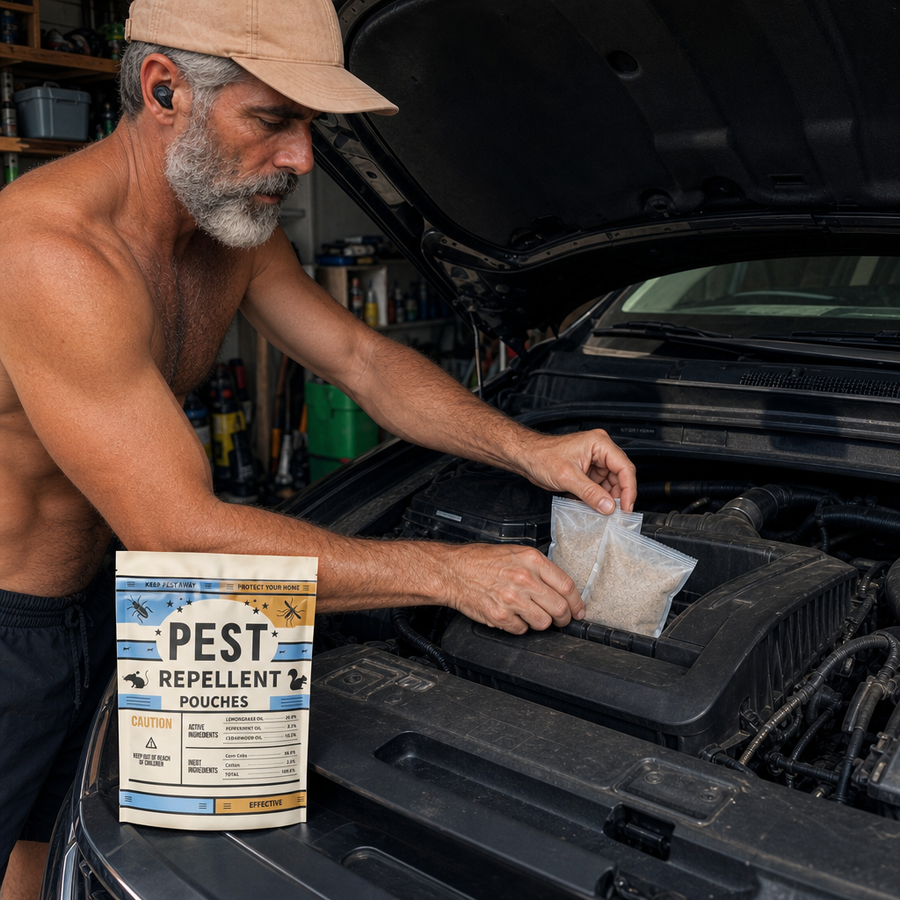
Tuck It In Once. Forget About It For 90 Days.
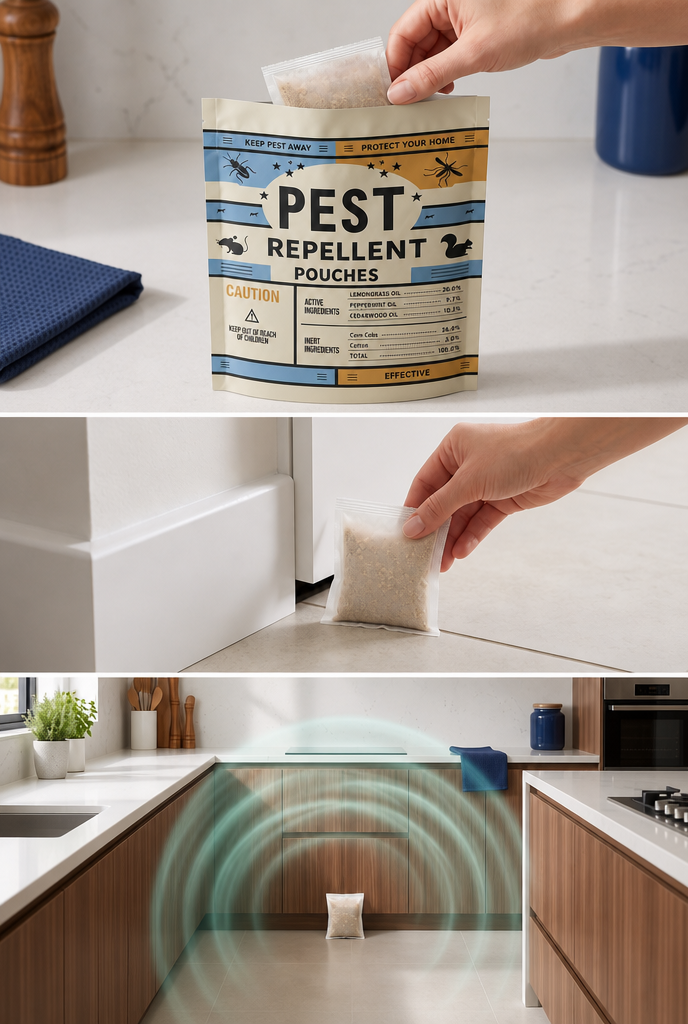
There's no setup, no wiring, no app, nothing to charge. You pop the hood, tuck 1-2 pouches near the air filter housing, along the firewall, and in the wheel wells — the exact spots rodents use to climb in — and you're done in under two minutes.
No daily maintenance. No resetting a trap. No checking a battery indicator. It just sits there and works, the same way it did the day you placed it, for a full 90 days.
No Poison. No Battery. Nothing That Can Leak Near Your Engine.
Poison bait stations near an engine bay carry real risk — for the family dog that sniffs around the driveway, for the engine components themselves, and for whatever's underneath if a rodent dies somewhere inside the car and you can't reach it.
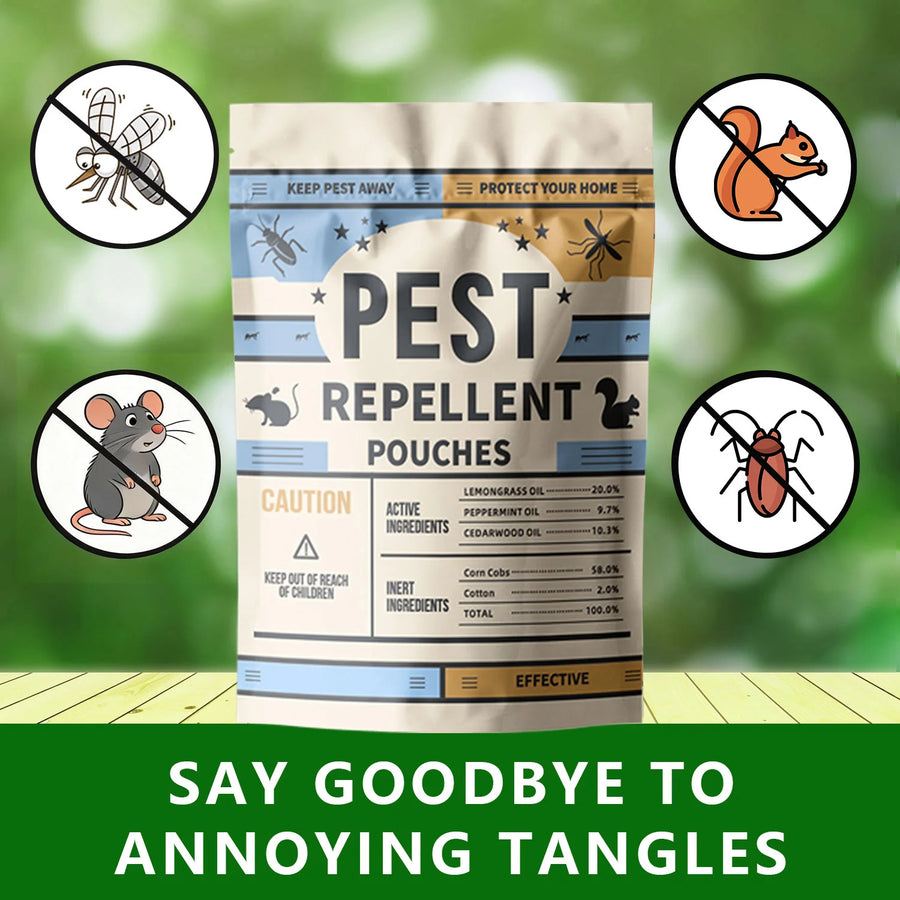
HoodGuard pouches use a concentrated plant-oil blend — peppermint, cinnamon, and cedarwood — held in place, nothing that leaks, sprays, or requires a wire. It's a scent barrier, not a chemical one.
Works For Anything That Sits Parked For More Than A Few Days
The longer a vehicle sits still, the more attractive it becomes to a rodent looking for a permanent spot — which is exactly why RVs, boats, classic cars in storage, and work trucks parked over weekends are hit the hardest.
Customers use HoodGuard in daily commuter cars, RVs winterized in a driveway, boats stored for the season, garages, sheds, and even tool chests on job sites — anywhere a rodent might decide to move in undisturbed.

Not The Thin Paper Sachet You'll Find On Amazon For $8
A lot of the cheapest pouches on the market use a thin paper sachet that breaks down fast in a hot, vibrating, occasionally damp engine bay — and they're formulated for closets, not car engines.
HoodGuard uses a weather-resistant pouch material and a concentrated oil-in-carrier formula designed to release slowly for 90 days even under engine-bay heat cycles, rather than evaporating in the first week like a basic spray or weak sachet.
If It Doesn't Work For Your Situation, You Get Every Cent Back
I get it — after being burned by an ultrasonic gadget that didn't do anything, I wasn't about to spend money on faith alone.
HoodGuard backs every order with a 60-day money-back guarantee. If you place the pouches and you're still seeing activity, you email their team and get a full refund — no return shipping the old pouches, no interrogation.
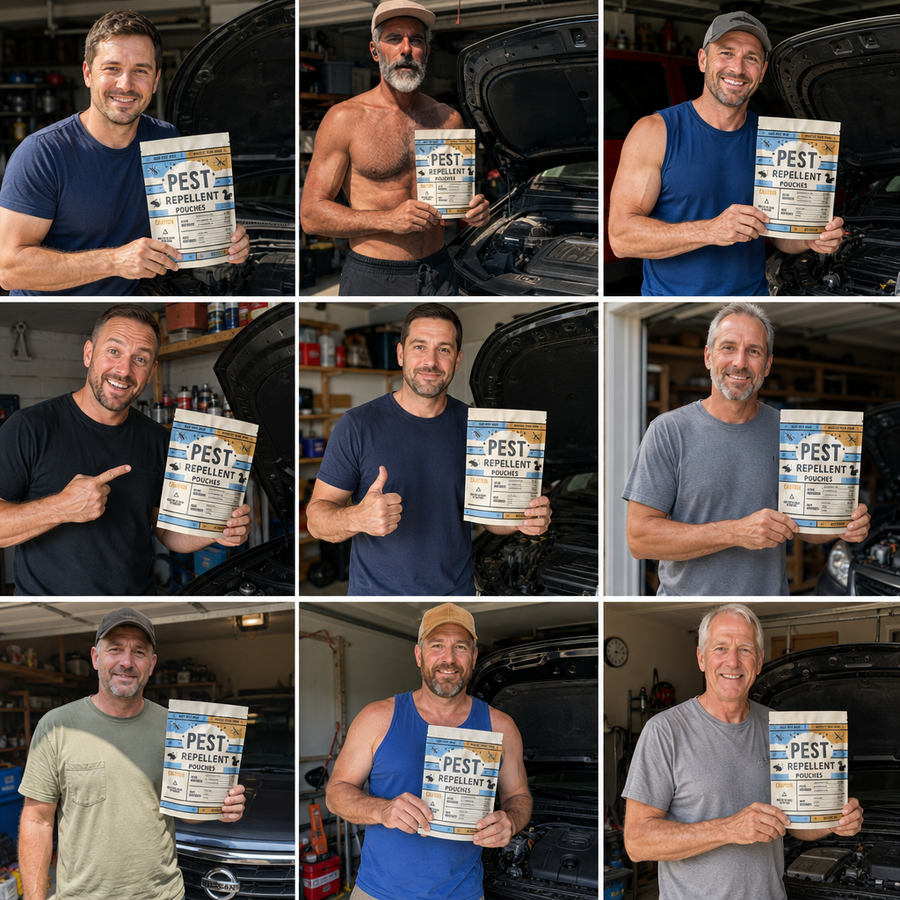
Real Results From Real Driveways
What's In Every HoodGuard Order
How It Stacks Up
| Feature | HoodGuard Pouches | Ultrasonic Plug-In | Mothballs |
|---|---|---|---|
| No battery required | ✓ | ✗ | ✓ |
| Safe to place near engine components | ✓ | ✓ | ✗ |
| Works while car sits for months | ✓ | ✗ | ✓ |
| No toxic odor in cabin | ✓ | ✓ | ✗ |
| Cost per season | ~$0.40/day | ~$0.90/day (w/ batteries) | ~$0.60/day |
Without HoodGuard
- Rodents settle into your engine bay unnoticed
- Wiring damage discovered only after a breakdown
- Repair bills ranging from $300 to $10,000+
- Towing, rental car, and time off work while it's fixed
- Same spot re-infested weeks after the repair
With HoodGuard
- Engine bay becomes an unappealing space to nest in
- 2-minute setup, no batteries, no daily maintenance
- Protection that lasts 90 days per pouch
- No towing, no surprise repair bills
- 60-day guarantee if it doesn't work for you
60-Day Money-Back Guarantee
If you don't notice a difference within 60 days, email our team and we'll refund your order in full — no forms, no hassle.
Don't Wait For A Chewed Wiring Harness To Find Out The Hard Way
Fall is when engine-bay nesting starts. Protect your car before the first cold snap hits your driveway.
Get HoodGuard Pouches — 50% Off Today →